
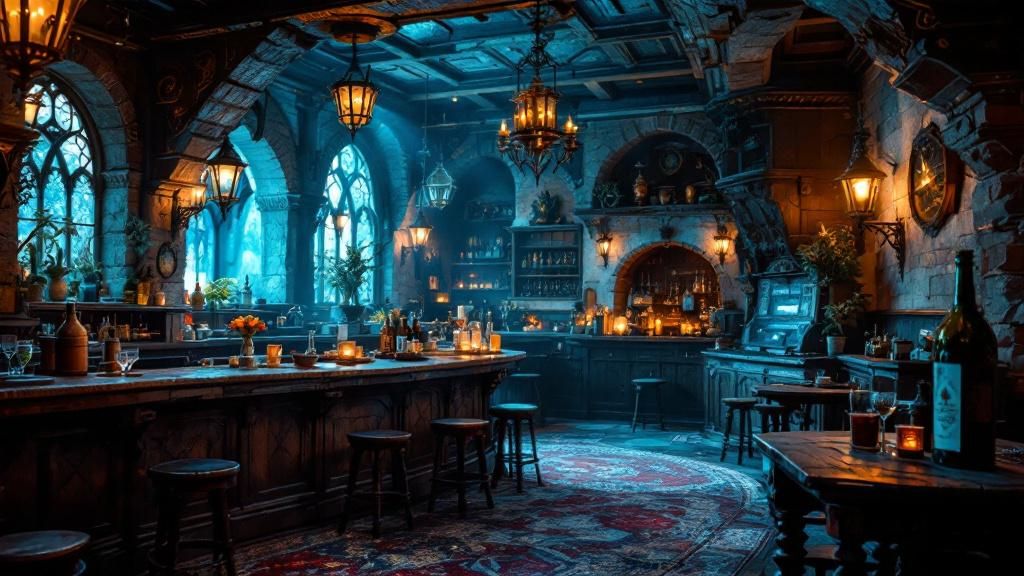
The actor who portrayed Astarion to life in Baldur’s Gate 3 has urged fans to exercise patience as HBO creates a live-action follow-up series based on the critically acclaimed game. Neil Newbon, who provided the voice for the vampire rogue in Larian Studios’ acclaimed RPG, has appealed to the gaming community to “let them cook” and avoid premature judgement. The broadcaster announced the project on 6 February 2026, with The Last of Us showrunner Craig Mazin leading the adaptation. Rather than revisiting the events of Baldur’s Gate 3 itself, the series will continue the story beyond the game’s conclusion, though Larian Studios was not initially involved in the venture—a choice that sparked significant backlash online.
The Future Prospects for HBO’s Baldur’s Gate Television Rendition
Whilst the reveal of an HBO Baldur’s Gate series generated considerable excitement amongst gaming enthusiasts, it also triggered substantial criticism from the fanbase. The choice to create a canonical ending—a essential requirement when bringing to screen a game renowned for its multiple storylines and player agency—proved particularly contentious. Gamers who spent hundreds of hours crafting their own stories questioned how HBO would integrate the game’s multitudinous outcomes into a unified storyline. The fact that Larian Studios was not involved during the early production phase only heightened worries about the project’s authenticity and respect for the original game.
Craig Mazin’s role as showrunner provides reassurance to sceptical fans. The accomplished TV writer and producer, who expertly handled the intricate adaptation of Naughty Dog’s The Last of Us, brings substantial credentials to the project. However, with Mazin currently occupied with The Last of Us Season 3, expected to arrive in 2027, the Baldur’s Gate series remains firmly in early stages of development. No launch date has been revealed, suggesting viewers may face a considerable wait before the live-action adaptation reaches screens. This prolonged timeline gives HBO and its creative team considerable opportunity to address fan concerns and create a compelling continuation of the iconic fantasy story.
- Craig Mazin leading the creative vision for the HBO series
- Canonical ending choice necessary for cohesive story structure
- The Last of Us Season 3 taking priority until 2027
- Longer production schedule allows for thoughtful creative execution
Neil Newbon’s Plea for Artistic Expression
Believing in the Creative Direction
Neil Newbon, the actor portraying the enigmatic vampire rogue Astarion in Baldur’s Gate 3, has become an surprising voice for moderation amidst the swirling controversy. Rather than adding to the chorus of sceptical fans, Newbon has publicly urged the community to show restraint and give HBO’s production team the space necessary to develop their creative direction. In an conversation with FRVR, the actor emphasised the importance of permitting creative projects to thrive without hasty criticism. His balanced view stands in stark contrast to the immediate backlash that met the announcement, offering a welcome alternative to the often vitriolic internet commentary regarding big-screen adaptations.
Newbon’s faith in the project derives primarily from Craig Mazin’s involvement as showrunner. The accomplished screenwriter’s track record with The Last of Us adaptation demonstrates his capability to work with intricate source material with nuance and respect. Whilst Newbon himself acknowledges having no knowledge of where the story will head, he shows real faith in Mazin’s skill to craft compelling narratives from challenging material. This backing from someone closely involved with the Baldur’s Gate 3 universe carries considerable weight, indicating that at least one important figure connected to the original game considers the HBO venture merits a fair shot at succeeding.
The actor’s broader argument addresses a core issue with contemporary fandom culture. Newbon contends that internet communities often “worry and pile on” before projects have even materialised, creating unnecessary anxiety about outcomes that remain wholly speculative. He promotes a healthier approach: enabling creative endeavours to be finished before making assessments. This philosophy inspires fans to enjoy the finished product on its own merits rather than constructing elaborate expectations or catastrophising based on early development decisions. His call for thoughtful restraint represents a mature perspective on the difficulties inherent in converting beloved interactive narratives for traditional TV storytelling.
- Allow content creators creative control without early judgment or critique
- Craig Mazin’s demonstrated experience demonstrates skilled storytelling expertise
- Judge completed work on quality rather than speculating during development
Audience Concerns and Early Pushback
The announcement of HBO’s Baldur’s Gate sequel series in February 2026 triggered substantial controversy within the gaming community. A key area of dispute centred on the showrunners’ decision to establish a canonical ending for the narrative, despite the original game’s various interconnected storylines and player-determined conclusions. This approach fundamentally contradicts the interactive nature of Baldur’s Gate 3, where each playthrough can diverge dramatically based on player choices. Furthermore, the disclosure that Larian Studios was not consulted during initial development stages amplified concerns, suggesting the adaptation might stray from the spirit of the source material and thematic elements that resonated so profoundly with players globally.
Social media platforms generated concern and debate regarding casting decisions, narrative direction, and the feasibility of translating a 100-plus-hour interactive experience into a traditional TV structure. Fans queried if HBO held the creative expertise needed to do justice to the game’s layered storytelling and emotional weight. The decision to reassign roles with new actors, rather than incorporating the original voice cast, amplified debate about the project’s faithfulness to the source material. However, these concerns arose wholly during the preliminary production period, with no footage, scripts, or substantive creative details shared with audiences to inform such judgments, making Newbon’s call for patience particularly resonant.
| Concern | Status |
|---|---|
| Larian Studios not consulted initially | Acknowledged but unresolved |
| Canonical ending selection | Controversial but necessary |
| Character recasting decisions | Announced without cast confirmation |
| Narrative authenticity and fidelity | Unknown until release |
Why Taking Your Time Makes a Difference
Newbon’s emphasis on patience addresses a wider cultural pattern within fan-based communities. The tendency to build complex narratives of failure ahead of projects materialise reflects anxiety rather than informed criticism. By giving creative groups adequate space to craft their vision without constant external pressure, audiences ultimately reap the rewards of more deliberate, thoughtful creative work. Hasty judgment can unintentionally shape production decisions, potentially undermining artistic integrity in service of appeasing vocal opponents. Conversely, affording artists freedom to experiment and innovate often produces unexpected successes that initial skepticism might have blocked.
Furthermore, the interactive quality of Baldur’s Gate 3 renders its adaptation uniquely challenging. Television demands sequential narrative structure, forcing tough choices about which narrative threads to prioritise and which to abandon. Rather than making premature judgements, fans would benefit from experiencing the finished product and assessing whether the production team effectively conveyed the game’s essence within the limitations of television. Newbon’s suggestion to “let them cook” invites viewers to approach the adaptation with open-mindedness, recognising that different mediums require different storytelling approaches whilst possibly providing equally engaging narratives.
The Next Steps for the Business Operation
With Craig Mazin leading the production as showrunner, the Baldur’s Gate live-action series represents a significant expansion of the franchise past its gaming roots. Mazin’s demonstrated expertise with The Last of Us adaptation illustrates his ability to bring intricate, cherished source material for television audiences. However, his existing obligations mean the HBO series remains in early development. The Last of Us Season 3 is planned for 2027, indicating the Baldur’s Gate project will probably not come to fruition for many years. This extended timeline offers HBO and Larian Studios substantial scope to enhance their working partnership and resolve initial worries about creative input and story direction.
The impact of this translation to screen could significantly transform how the video game sector handles TV collaborations. A skillfully produced Baldur’s Gate series might set new standards for respecting source material whilst converting it for new platforms. Conversely, errors could strengthen current doubts about video game-to-television conversions. The series’ community will certainly examine every actor selection, plot decision, and production update as information emerges. Ultimately, the show’s critical response will influence whether upcoming the developer titles get comparable screen development and whether other major gaming franchises seek out similar premium streaming collaborations.
- HBO announced the Baldur’s Gate follow-up franchise in early 2026 with no confirmed release date
- Craig Mazin leads production whilst finishing The Last of Us Season 3 for 2027
- New actors will portray established characters from the game’s conclusion
- Larian Studios’ original omission from the planning process generated substantial audience criticism
- Fan reception will potentially influence prospects for gaming franchise television adaptations
