
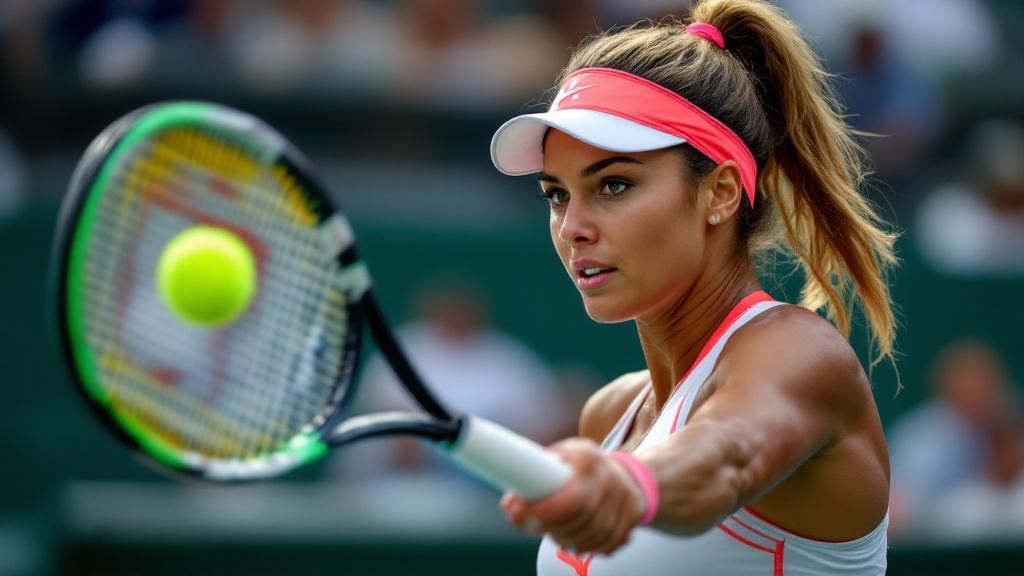
After decades of campaigning for equal representation, women’s tennis has achieved a historic milestone: prize money parity with men’s events at major tournaments. This groundbreaking shift represents far more than mere financial equalisation; it indicates a profound shift in how professional sport values female athletes. This article explores the long journey towards this milestone, the key turning points that catalysed change, and the significant consequences for women’s sport worldwide. Discover how sustained effort and campaigning have finally shattered one of sport’s most stubborn glass ceilings.
A Historic Moment for Parity in Elite Tennis
The achievement of equal prize distributions in female tennis marks a watershed moment in sporting history. For generations, female players competed at the highest level whilst receiving substantially lower financial rewards than their male counterparts, despite delivering equally captivating displays and attracting significant global viewership. This disparity was not merely a financial inconvenience; it symbolised systemic undervaluation of women’s athletic prowess. The latest move by major tournaments to standardise prize distributions recognises the outstanding ability, dedication, and commercial appeal of female tennis players. This historic shift shows that meaningful change is achievable when stakeholders embrace true parity.
The progression towards equality has been far from straightforward. Female tennis trailblazers campaigned relentlessly during the second half of the twentieth century, challenging entrenched attitudes and insisting on acknowledgement. Prominent athletes such as Billie Jean King became vocal advocates for equality, memorably taking part in the “Battle of the Sexes” to showcase women’s competitive merit. Their fearless campaigning established crucial foundations for later generations. However, advancement proved frustratingly slow, with events resisting transformation for decades. The resolve of these campaigners, paired with mounting public support and changing social attitudes, eventually created enough impetus to overcome institutional resistance.
Beyond the pressing financial implications, prize money equality carries deep symbolic significance for sport at the professional level globally. This milestone sends an unmistakable message: female athletes merit equal pay, recognition, and funding. The step influences perceptions across numerous sports, potentially catalysing similar transformations in football, cricket, and athletics. Young women now see tangible recognition of their sporting capabilities, fostering greater involvement and funding in female sports development. Furthermore, competition organisers recognise that equal prize money improves the sport’s credibility and financial sustainability, benefiting all stakeholders. This accomplishment extends past tennis, reshaping conversations about gender equality in sport worldwide.
The Extended Path Towards Fair Compensation
The struggle for equal prize money in women’s tennis has been a lengthy battle spanning several decades. Female athletes have consistently challenged the assertion that their competitions were of lesser value or commercially viable than men’s tournaments. Despite generating substantial television audiences and sponsorship revenue, women’s events attracted significantly lower prize purses. This gap became ever more difficult to defend as women’s tennis showed its earning potential and global appeal, spurring continued calls for change from athletes, organisers, and advocates worldwide.
Throughout the 1990s and early 2000s, gradual advancement took place at various tournaments, yet full equality stayed elusive at the sport’s most prestigious events. The breakthrough arrived through sustained advocacy by high-profile competitors and increasing recognition of the inequality. Major tournaments gradually recognised that equal prize money was at once a matter of principle and also a sound business practice. The realisation of parity demonstrates justification for countless athletes who committed themselves to this objective, setting a standard that reverberates throughout professional sport.
Impact on Players, and the Future prospects for Women’s Tennis
The achievement of prize money parity represents a significant moment for professional female tennis players. Beyond the direct monetary benefits, this milestone signals a profound shift in how society values women’s athletic achievements. Players can now compete with genuine equality, eliminating a significant psychological barrier that had persisted for generations. This parity allows female athletes to pursue tennis as a sustainable career, drawing greater talent and investment to the sport.
The knock-on consequences of this decision reach well past tennis courts. By introducing equal prize money at the sport’s top tier, regulatory authorities have set a significant benchmark for other sports and industries worldwide. Young girls observing women’s tennis now see inspirational figures pursuing equivalent compensation, substantially transforming career goals and pathways. This visibility and validation encourage higher engagement at community level, reinforcing the sport’s infrastructure for decades to come.
- Strengthened economic stability for leading female players internationally
- Expanded news exposure and sponsorship opportunities for women
- Increased support of women’s tennis training initiatives
- Stronger examples motivating the upcoming wave of athletes
- Drive for equal treatment across professional sport generally internationally
Looking forward, the achievement of equal prize distributions marks merely the start of a wider overhaul in women’s tennis. Tournament operators must now prioritise balanced media representation, venue availability, and marketing funding to ensure true parity. The achievement of this initiative shows that systematic change is possible when key parties dedicate themselves to equity. As women’s tennis continues evolving, this monetary landmark will undoubtedly inspire continued advancement across professional sport.
