
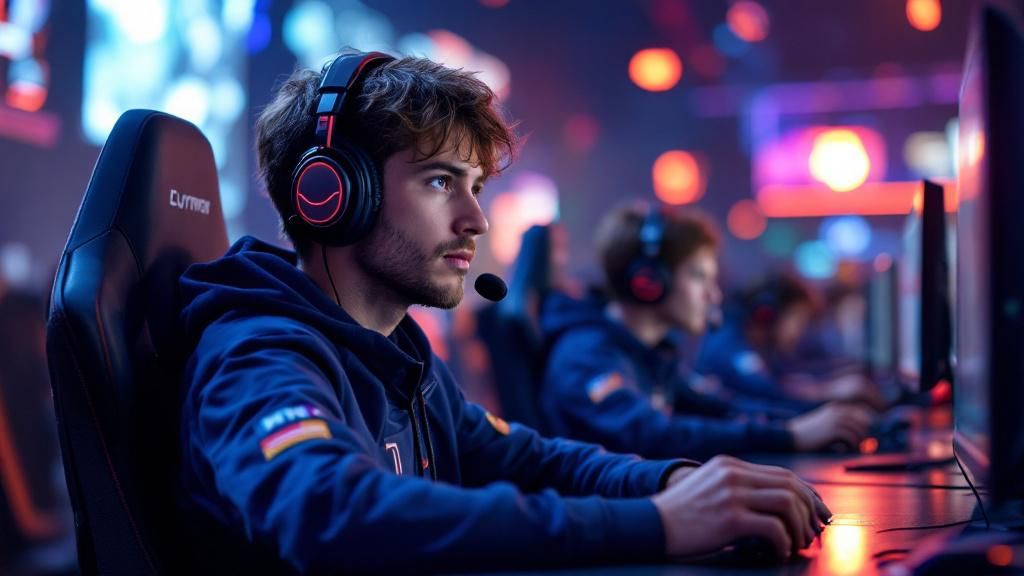
The esports industry has taken a significant step forward in championing competitor wellbeing. Major tournament organisers have collectively introduced a detailed player protection standards framework, tackling persistent issues about mental health, working conditions, and fair treatment within the professional gaming sector. This landmark initiative represents a pivotal moment for esports legitimacy, establishing baseline protections that could transform how the industry operates. We examine the framework’s principal elements, the organisations driving this change, and what it means for athletes and professional gaming moving forward.
Comprehensive Industry Pledge to Responsible Gaming
The collaborative effort between leading esports organisations marks a significant milestone for competitor welfare within professional esports. This unified framework demonstrates the industry’s genuine commitment to establishing sustainable standards that prioritise competitor wellbeing alongside sporting achievement. By pooling resources and expertise, these organisations have established thorough standards addressing bodily fitness, psychological wellbeing, and workplace protection. The initiative reflects increasing awareness that competitor health substantially impacts output standards and professional lifespan, making it crucial for the industry’s standing and expansion.
Tournament operators have recognised that previous standards were fragmented and inconsistent, exposing competitors to abuse and fatigue. The updated system standardises expectations among principal events, making certain each professional player obtains equal support and access to essential support services. This coordinated approach eliminates competitive disadvantages resulting from differing safeguards and sets fair competition standards. Industry leaders emphasise that these standards constitute baseline expectations, prompting entities to go beyond minimum standards and create truly caring settings where athletes can flourish in career and personal development.
Key Aspects of the Welfare System
The recently created welfare framework comprises various interrelated pillars designed to safeguard player welfare thoroughly. These elements address mental wellbeing assistance, physical fitness, equitable employment terms, and transparent dispute resolution mechanisms. By combining these components, tournament operators aim to establish an integrated system that treats esports athletes as professional athletes entitled to strong safeguards. The framework establishes minimum standards that all affiliated tournaments are required to adopt, ensuring uniform player protections across the competitive gaming landscape.
Mental Wellness Care Services
Understanding the mental health challenges inherent in esports at a professional level, the framework mandates access to mental health professionals for all competing players. Tournament organisers should offer confidential psychological support, either directly or through partnerships with accredited mental health professionals. These services encompass managing stress, support for performance-related anxiety, and emergency intervention services. Players have access to qualified psychologists who comprehend esports-specific issues, including online harassment, intense competitive pressure, and uncertain career prospects.
The framework additionally stipulates tournaments to implement psychological awareness schemes and stigma-reduction efforts within the community. Organisers need to educate players, coaches, and staff about recognising psychological difficulties and accessing proper help. Ongoing assessments and wellbeing tracking mechanisms enable detect struggling players early, facilitating early action before situations escalate into serious psychological crises.
Physical Health Requirements
Tournament operators must establish comprehensive physical health standards addressing ergonomics, break times, and clinical supervision. The framework requires appropriate chairs, monitor positioning, and downtime to minimise repetitive strain injuries common among esports professionals. Clinical personnel must attend at significant events to manage pressing health problems, whilst organisers are obliged to give advice about injury avoidance and appropriate healthcare resources for sustained athlete progression.
Environmental circumstances at tournament locations are now subject to strict standards maintaining player comfort and safety. Regulations cover temperature control, lighting standards, and noise levels to deliver optimal performance conditions. Additionally, the framework encourages players to undergo routine medical evaluations and provides guidance on diet, sleep hygiene, and exercise routines essential for sustained competitive excellence in esports.
- Workplace gear evaluations performed by certified experts
- Required breaks between matches reducing athlete fatigue
- Medical personnel on location present throughout competitive events
- Injury reduction education and rehabilitation service access
- Wellness tracking systems tracking player wellbeing across the year
Implementation Timeline and Requirements
The framework will be deployed in three distinct phases, starting immediately with foundational reviews across participating organisations. Tournament operators have committed to completing initial audits of their present procedures by the conclusion of Q1, highlighting discrepancies between existing protocols and the updated requirements. This initial stage ensures a thorough understanding of each organisation’s baseline position before introducing significant modifications. Following phases will include employee development, procedural revisions, and the implementation of external compliance frameworks to guarantee compliance and responsibility throughout the esports ecosystem.
The standards themselves include mandatory provisions covering mental health support, practical training timetables, and transparent prize distribution protocols. Each organisation should establish a dedicated player welfare officer accountable for managing grievances and ensuring adherence to guidelines. Routine inspections, carried out by third-party bodies, will confirm adherence and highlight zones for development. These thorough safeguards establish measurable benchmarks for player safeguarding, with enforcement mechanisms including monetary sanctions and possible competition restrictions for organisations not meeting required standards.
Industry Response and Future Outlook
The declaration has attracted considerable endorsement from stakeholders across the esports ecosystem. Player unions have commended the guidelines as a necessary step towards professionalising the sector, whilst team owners and financial backers appreciate the potential for greater credibility and sustainability. Hardware producers and broadcast services have pledged to incorporate player welfare into their day-to-day activities, reflecting a collective commitment to structural reform. Initial signs indicate that governing authorities and state representatives perceive the standards with approval, conceivably facilitating statutory acknowledgement of competitive gaming as a legitimate professional sector.
Looking ahead, sector analysts anticipate that this framework will function as a template for worldwide implementation, with regional competitions and smaller competitions expected to implement comparable standards. The programme is likely to inspire ongoing discussion regarding player compensation, career development pathways, and mental health resources. As esports undergoes rapid expansion, these player protections constitute a crucial safeguard ensuring that competitive gaming remains sustainable, inclusive, and considerate for all participants, in turn reinforcing the industry’s position as a legitimate competitive sector.
